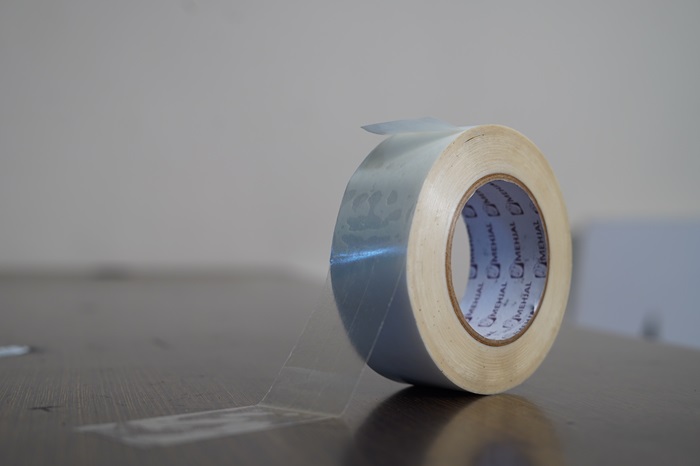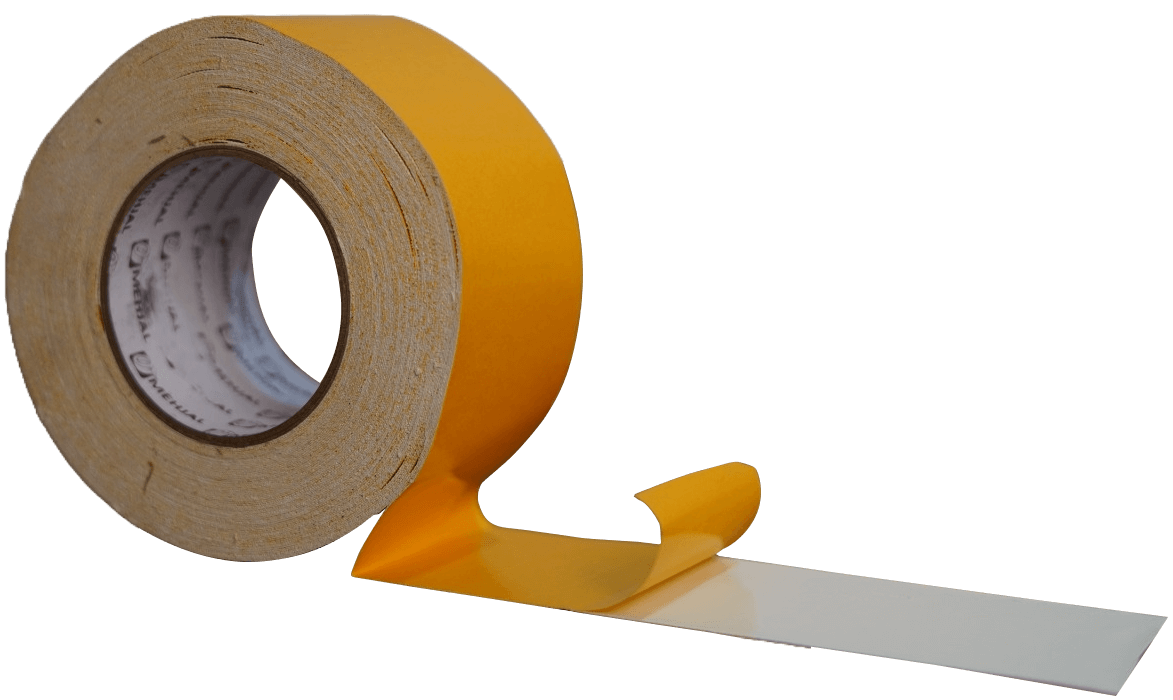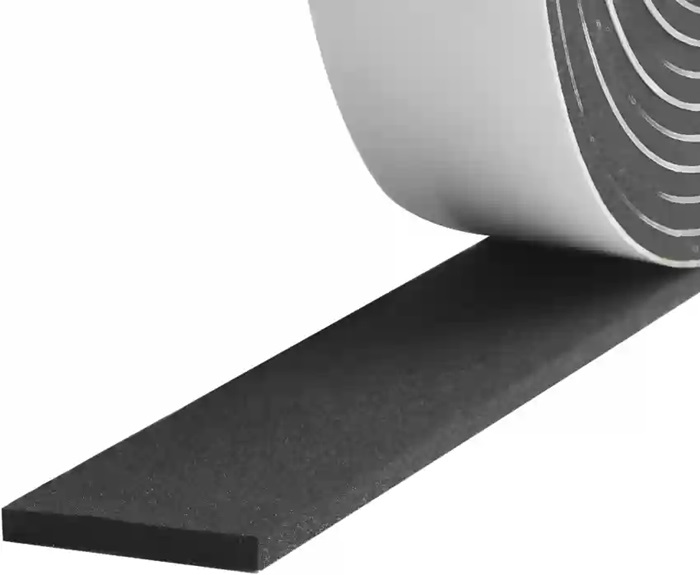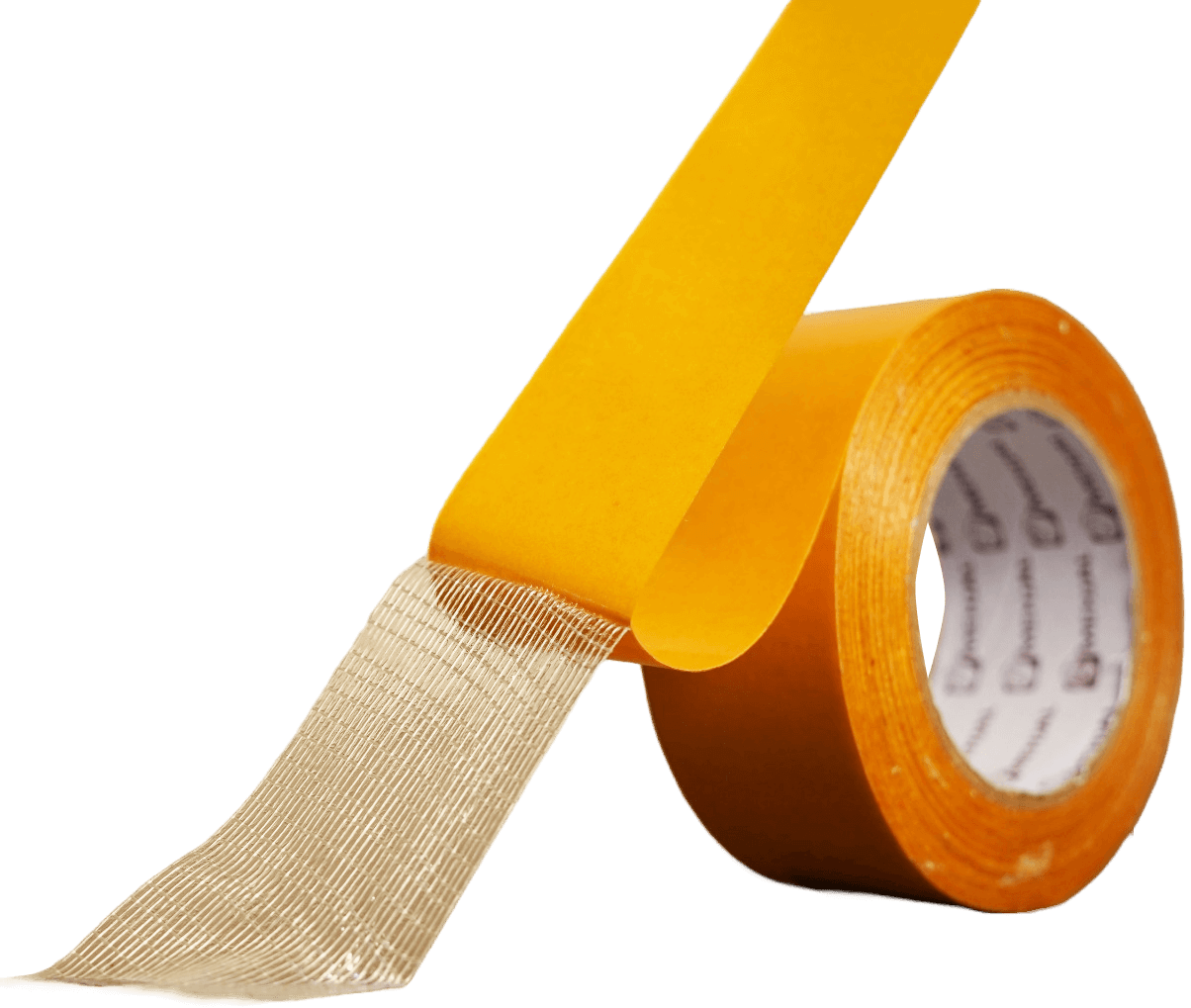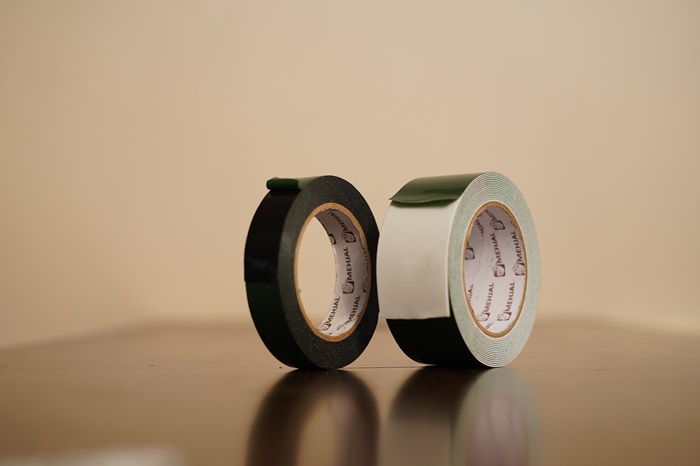
Acrylic foam tapes are high‑performance double‑sided adhesive tapes made of viscoelastic acrylic foam. They are widely used in automotive, construction, electronics, and signage industries because they combine strong bonding, vibration damping, and weather resistance.
Key Uses of Acrylic Foam Tapes
-
Automotive Industry
-
Mounting emblems, trims, and body side mouldings.
-
Bonding exterior panels and spoilers without mechanical fasteners.
-
Reduces vibration and noise in vehicle interiors.
-
Construction & Architecture
-
Fixing glass panels, curtain walls, and cladding systems.
-
Sealing joints in doors, windows, and facades.
-
Electronics & Appliances
-
Attaching display panels, nameplates, and decorative trims.
-
Bonding components in smartphones, TVs, and household appliances.
-
Signage & Graphics
-
Mounting signboards, acrylic letters, and LED strips.
-
Provides clean, invisible bonding without screws or rivets.
-
General Industrial Applications
-
Replaces rivets, welds, and liquid adhesives in assembly lines.
-
Used in solar panels and aerospace components for durable bonding.
Benefits of Acrylic Foam Tapes
-
High Bond Strength: Strong adhesion to metals, plastics, glass, and painted surfaces.
-
Weather Resistance: Withstands UV, moisture, and temperature extremes.
-
Vibration & Shock Absorption: Reduces mechanical stress and noise.
-
Flexibility: Conforms to irregular surfaces and compensates for thermal expansion.
-
Clean Appearance: Invisible fastening without drilling or welding.
-
Durability: Long‑lasting bonds that resist aging and environmental exposure.
|
Color
|
Best Uses
|
Key Advantage
|
|
Grey
|
Automotive trims, construction panels
|
Neutral, blends with most substrates
|
|
Black
|
Electronics, signage, automotive interiors
|
Discreet, UV-resistant, outdoor durability
|
|
Transparent
|
Glass, acrylic, displays
|
Invisible bonding, aesthetic appeal
|
Please email your requirements to [email protected] for: (1) Customized dimensions. (2) Diecut requirements of this tape. (3) Bulk requirements. (4) Customization in quality. (5) Recurring requirements.